Free planning tool
Medical Cover Calculator
Answer two questions in one place: do I need medical cover, and what medical cover do I need? Tell us about your event, workplace, production or sports fixture and we will suggest a sensible starting team — how many first aiders, paramedics, nurses or doctors, and whether you are likely to need an ambulance or a treatment area. Then send it to matching approved providers for personalised quotes.
Tell us about it
Any of these on site?
Your result
Your suggested cover
Substantial riskA clinical team led by a registered clinician, with a treatment point on site.
Suggested team
- First aiders (FREC 3 / FAW)× 2
Baseline cover for minor injury and illness, scaled to the number of people on site.
- Emergency medical technicians / care assistants× 1
Able to manage a deteriorating patient and support an ambulance crew.
- HCPC registered paramedics× 1
Advanced life support, pain relief and decisions about who really needs hospital.
Likely to also need
Free · No obligation · You can adjust every line before it goes out
Things to keep in mind
- At this level providers will normally include 1 emergency ambulance(s) with a crew for transfers.
- Most licensing authorities and Safety Advisory Groups expect a written medical plan at this scale — providers can write one for you.
- Your local authority, Safety Advisory Group or venue may set a higher requirement — always share this plan with them.
Do I need medical cover?
In most cases, yes — in some form. If you organise an event, a workplace activity, a film or television production or a sports fixture in the UK, you owe a duty of care to everyone present. Your written risk assessment needs to show how an injury or a sudden illness would be managed on site until an ambulance arrives.
- Licensing and permissions. Premises licences and event permissions frequently set a minimum standard of first aid or medical cover as a condition.
- Safety Advisory Groups. For public events the local authority SAG will usually want to see your medical plan, and may ask for more cover than you first proposed.
- Venues and insurers. Venue contracts and public liability policies often require named, qualified cover to be in place.
- Workplaces. Employers must provide adequate first aid arrangements, sized to the risks and the number of people on site.
What medical cover do I need?
There is no single answer — the right team depends on the activity, the number of people present, how long it runs, the crowd and audience, the site and how easily an ambulance can reach it, and the hazards involved. The calculator above weighs those factors and suggests a starting team. Broadly, cover builds up like this:
Lower risk
Small community events, meetings and quieter workplaces: trained first aiders with a stocked kit and a clear escalation plan.
Moderate risk
Larger gatherings, alcohol, sport or longer days: first aiders supported by emergency medical technicians or an emergency care assistant, and a defined treatment point.
Higher risk
Big crowds, late finishes, camping, motorsport, water or remote sites: registered paramedics and nurses, an ambulance, a treatment area, and often a doctor and a medical lead coordinating the team.
Whatever the calculator suggests, the providers who quote will give you their own clinical recommendation for your event and can adjust the team up or down.
In depth
Do I need medical cover for my event?
Almost every organised event in the UK needs some level of medical or first aid provision. The real question is how much, delivered by whom, and how you evidence that decision. This guide walks through the duties you are working to, the factors that push cover up or down, and what a competent medical provider should give you.
1. Your legal duty of care as an organiser
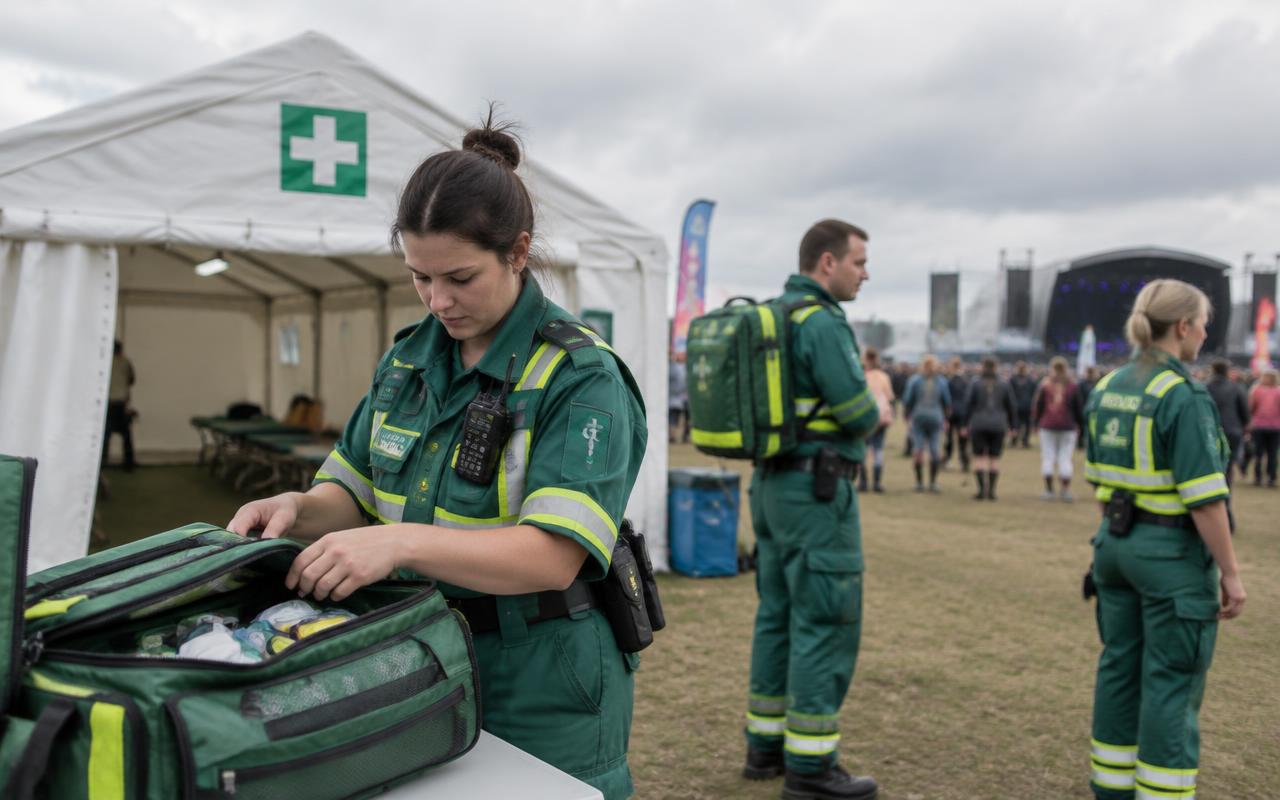
If you organise an event, you owe a duty of care to everyone on site — the public, your staff, volunteers, contractors and performers. Under the Health and Safety at Work etc. Act 1974 and the Management of Health and Safety at Work Regulations 1999 you must assess the risks your activity creates and put proportionate arrangements in place. Medical provision is one of those arrangements, and it is judged on whether it was suitable and sufficient for the risks you could reasonably foresee.
In practice, three other parties usually have a say as well:
- Your licensing authority. Premises licences and Temporary Event Notices frequently carry conditions about first aid or medical cover, particularly where alcohol or late hours are involved.
- The Safety Advisory Group. For public events the local authority SAG — typically council officers alongside the police, fire service and the local ambulance trust — will review your event plan. They cannot license the event themselves, but their recommendations carry real weight and they will often ask for more cover than an organiser first proposed.
- Your venue and your insurer. Venue hire agreements and public liability policies commonly require named, qualified medical cover to be in place, and may ask for proof before the day.
Even where nothing is formally required, the NHS ambulance service is not your event medical plan. Relying on 999 for foreseeable minor injuries is both poor planning and an avoidable drain on emergency resources.
2. The factors that decide how much cover you need
Recognised UK event safety guidance scores the same handful of factors. The calculator above weighs them for you, but it is worth understanding what is moving the answer.
Crowd size and profile
Headcount at peak, not average. A crowd of families behaves very differently from a standing music crowd, and both differ again from an elderly audience where cardiac and mobility incidents are more likely.
The activity itself
Contact sport, motorsport, water, height, livestock, fireworks, inflatables and stunt work all introduce predictable trauma risks that need clinicians who can treat on site rather than simply summon help.
Alcohol, duration and hours
Licensed bars, long days and late finishes reliably increase intoxication, collapse, altercation injuries and drug-related presentations. Multi-day and camping events also generate overnight demand.
Site, access and ambulance distance
Rural, off-road, waterside or heavily congested sites extend how long an NHS crew takes to reach a patient — and to get them out again. Remote access is one of the strongest arguments for on-site treatment capability and transport.
Weather and environment
Heat exposure, dehydration, cold and wet conditions and exposed ground all change the pattern of presentations and the shelter your medical team needs.
Vulnerable groups
Children, older attendees, disabled visitors and people with known medical needs raise both the likelihood and the seriousness of incidents, and often require a quieter, more private treatment space.
3. First aiders or clinicians — what is the difference?
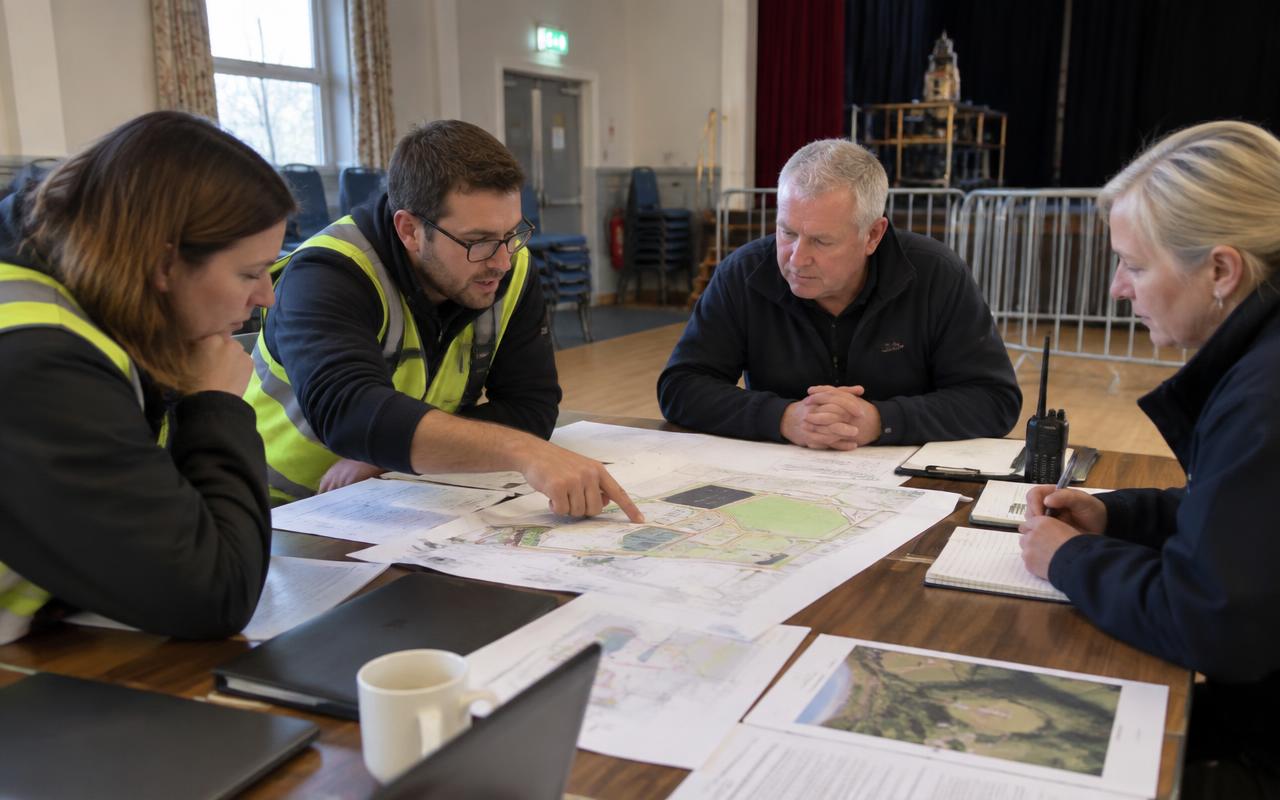
This is where most organisers get caught out. A first aider and a registered paramedic are not interchangeable, and booking the cheaper option for a higher-risk event is the single most common weakness a Safety Advisory Group will pick up.
First aiders
Trained to First Aid at Work or FREC 3 level. They manage minor injuries, control bleeding, use a defibrillator and escalate to 999. Appropriate for small community events, meetings, quieter workplaces and low-hazard gatherings with good ambulance access.
Emergency medical technicians and ambulance technicians
Trained to FREC 4 or Associate Ambulance Practitioner level, working to clinical governance. They can manage a wider range of injury and illness, administer a limited range of medicines, and staff a treatment point so minor cases never reach the NHS at all.
Paramedics, nurses and doctors
Registered with the HCPC, NMC or GMC. Paramedics bring advanced airway management, cardiac care and a broad drug formulary; emergency nurses add treatment and discharge capability on site; doctors lead on complex and critical cases. Expected at large crowds, motorsport, combat and contact sport, remote sites and events running late into the night.
4. Ambulances, treatment areas and getting patients off site
Staff are only half the plan. Once your event is large enough that an injured person cannot simply be walked to a car, you need somewhere to treat them and a way to move them.
- A treatment point or medical centre — clean, sheltered, private and clearly signed, with step-free access for a stretcher or wheelchair.
- Emergency vehicle access — a kept-clear route to every part of the site, agreed with your traffic management plan, plus a rendezvous point for NHS crews.
- On-site transport — an event ambulance, or responders on cycles, foot or a vehicle, so patients can be reached and extracted across a large or crowded site.
- Communications — radios on a dedicated channel, a named medical lead, and a clear route for stewards to summon help.
5. What a good medical provider should give you
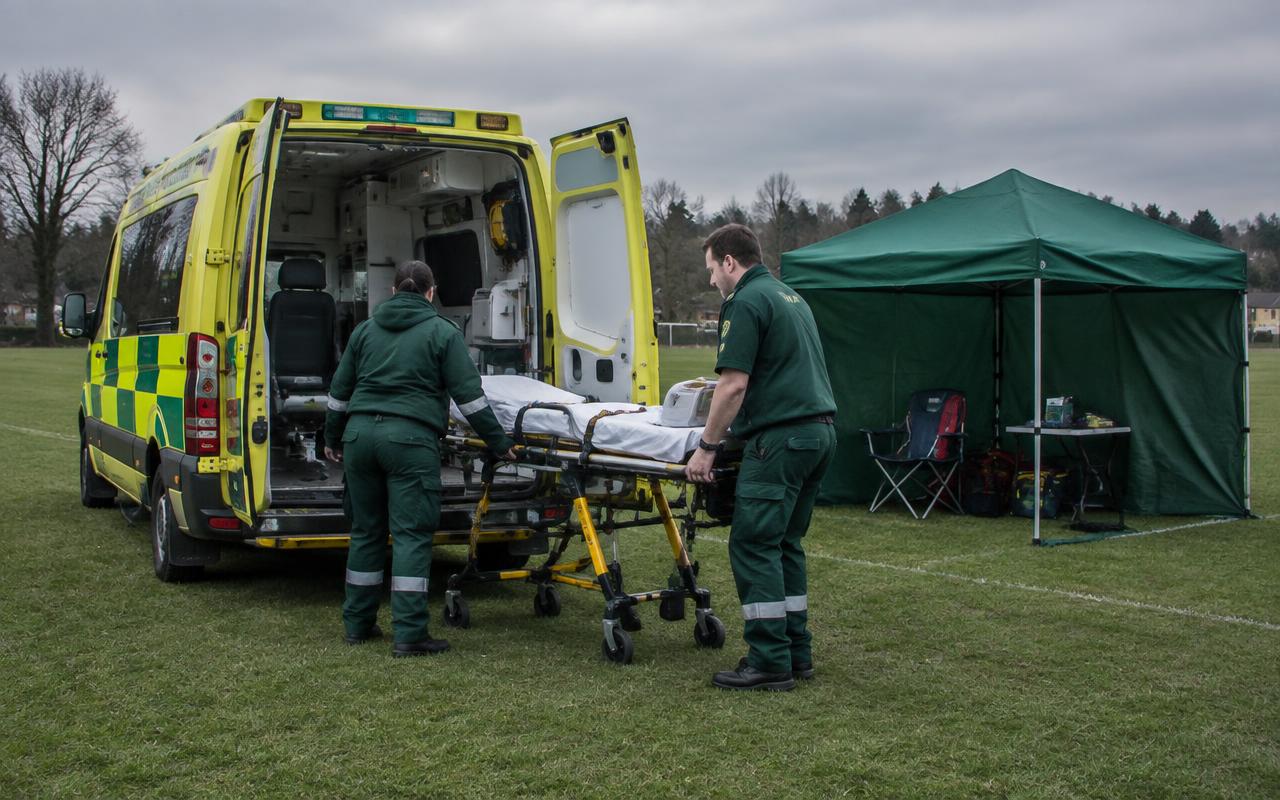
A quote that is only a day rate and a headcount is not enough to satisfy a licensing officer. Expect your provider to supply, as standard:
- An event medical plan written for your site and activity
- Evidence of registration, qualifications and DBS checks
- Public liability and medical malpractice insurance certificates
- Clinical governance and a named responsible clinician
- Patient report forms and post-event incident reporting
- Safe handling and disposal of clinical waste and medicines
Where an event ambulance is providing patient transport, the provider should hold the appropriate Care Quality Commission registration for that regulated activity.
6. When to book your medical cover
Lead times matter more than most organisers expect, because the same clinicians are in demand across the whole UK events calendar.
Large public events going to a Safety Advisory Group
Start three to six months out. You will usually need your medical plan agreed well before the event, and the SAG may meet only monthly.
Mid-sized events, sport fixtures and productions
Four to eight weeks gives you a genuine choice of providers, especially across summer weekends and bank holidays.
Smaller or short-notice requirements
Cover can often be arranged in days — including when a previous supplier has let you down. The sooner the request goes out, the more providers can respond.
Where this guidance comes from
Our scoring follows the same factors used in recognised UK event safety guidance: the nature of the activity, crowd size and behaviour, the audience, the site, and the hazards present.
The Purple Guide (Events Industry Forum)
The recognised UK guidance for health, safety and welfare at music and other events.
HSE — running an event safely
Health and Safety Executive guidance on planning, running and closing down events.
Sports Grounds Safety Authority (Green Guide)
Safety at sports grounds, including medical provision for spectator events.
CQC — registering as a provider
Some event medical services must be registered with the Care Quality Commission.
HCPC register check
Confirm that a paramedic is registered with the Health and Care Professions Council.
This calculator is an advisory planning aid, not a medical risk assessment. Responsibility for medical provision rests with the event organiser, working with the local authority, the Safety Advisory Group and a competent medical provider. Providers quoting through HireMedics.co.uk will give you their own clinical recommendation for your event.